
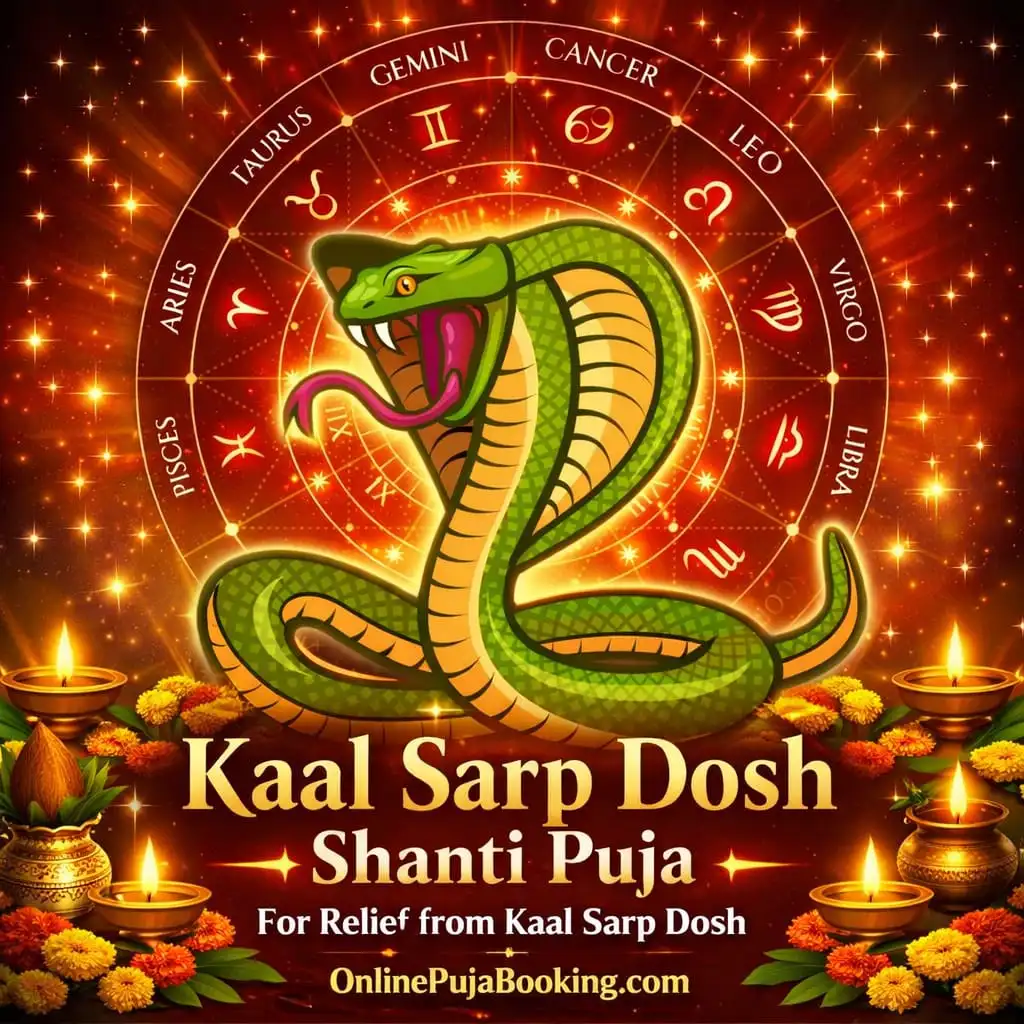
Kaal Sarp Dosh Shanti Puja Online Booking
Kaal Sarp Dosh Shanti Puja is a Hindu astrological remedial ceremony traditionally performed by devotees who wish to offer prayers for peace and balance in relation to Kaal Sarp Yog, also known as Kaal Sarp Dosh. In commonly followed Jyotish interpretations, this astrological combination is associated with the positions of Rahu, Ketu and the other planets in a person’s birth chart.
The puja is generally centred on prayers to Lord Shiva, Rahu, Ketu and Nag Devta. Depending on the priest’s tradition and the selected ritual, it may include Ganesh Puja, Kalash Sthapana, Shiva Abhishek, Rahu-Ketu mantra chanting, serpent worship and Havan.
The purpose of this ceremony is devotional: devotees seek divine blessings, graha shanti and a sense of spiritual reassurance. The interpretation of a horoscope and the decision to perform a particular remedial ritual should be approached thoughtfully, with guidance from a knowledgeable astrologer or priest.
Religious and Cultural Significance
Rahu and Ketu are known in Hindu astrology as the lunar nodes. They are not physical planets like Mars or Jupiter, but important shadow points used in Jyotish calculations. Traditional astrology associates them with karmic themes, transformation and challenges that may be interpreted through an individual’s birth chart.
Kaal Sarp Yog is commonly described in certain Jyotish traditions as a planetary arrangement in which the other seven visible planets fall within the axis formed by Rahu and Ketu. Astrological schools may differ in how they define, interpret and assess this combination. Some also distinguish different forms of Kaal Sarp Yog according to the placement of Rahu and Ketu.
It is important to understand that Kaal Sarp Dosh is an astrological concept and that its interpretation is not uniform across all Hindu traditions. It should not be treated as a diagnosis, a certainty about someone’s future or proof that every difficulty in life is caused by a planetary combination.
The religious response adopted by some devotees is to perform a Shanti Puja. In this setting, Lord Shiva is worshipped as a compassionate and auspicious deity, while prayers are offered in connection with Rahu, Ketu and Nag Devta. Serpent symbolism has a longstanding place in Hindu religious culture, and Nag Devta is honoured in several regional traditions and festivals.
The puja is therefore an expression of faith, prayer and devotion. It provides an occasion for devotees to make a Sankalp, participate in traditional worship and seek peace through spiritual practice.
Sanskrit Shloka or Mantra
The following are established devotional mantras suitable for worship in a ceremony that includes Lord Shiva and prayers for planetary peace. They are presented as mantras, not as quotations from a particular scripture.
1. Lord Shiva Panchakshari Mantra
ॐ नमः शिवाय॥
Roman transliteration: Om Namah Shivaya.
Meaning: I bow to Lord Shiva.
Relevance to this puja: Lord Shiva is an important focus of many Kaal Sarp Shanti Puja traditions. Devotees chant this mantra as an expression of surrender, devotion and a prayer for spiritual peace. It may accompany Shiva worship or Abhishek, according to the priest’s procedure.
2. Rahu and Ketu Name Mantras
ॐ राहवे नमः॥
Roman transliteration: Om Rahave Namah.
Meaning: Salutations to Rahu.
ॐ केतवे नमः॥
Roman transliteration: Om Ketave Namah.
Meaning: Salutations to Ketu.
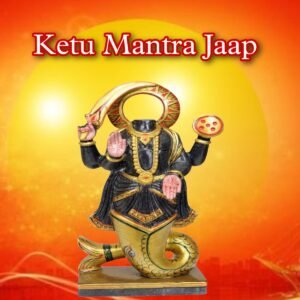
Relevance to this puja: These simple name mantras are used in devotional worship associated with Rahu and Ketu. A priest may recite them during the relevant graha-shanti portion of the ceremony. The number of repetitions and the specific mantra selection can vary by tradition.
Traditional Purpose and Devotional Benefits
Devotees traditionally perform Kaal Sarp Dosh Shanti Puja with the following devotional intentions:
- Prayer for graha shanti: To offer prayers in connection with Rahu and Ketu and seek a peaceful astrological outlook.
- Seeking Lord Shiva’s blessings: To express devotion to Lord Shiva and pray for strength, wisdom and spiritual steadiness.
- Nag Devta worship: To honour the sacred serpent symbolism found in Hindu religious traditions.
- Inner reassurance: To find comfort through prayer, mantra recitation and participation in a structured religious ceremony.
- Family prayers: To perform a shared religious observance with family members and seek blessings for harmony.
- Spiritual reflection: To make a Sankalp and renew one’s commitment to devotion, patience and positive conduct.
- Traditional remedial observance: To follow a Shanti ritual recommended by a trusted priest or astrologer after considering the individual’s horoscope and family tradition.
These are traditional religious intentions and beliefs. The puja does not guarantee the removal of a horoscope combination or a particular change in marriage, career, health, finances or other life circumstances.
When Is This Puja Performed?
Kaal Sarp Dosh Shanti Puja is generally arranged when a devotee has been advised to observe it after a horoscope consultation or wishes to undertake the ritual as a personal act of faith.
Some priests and regional traditions recommend particular days or muhurats for the ceremony. Nag Panchami, Amavasya, Purnima and certain days associated with Lord Shiva may be considered suitable in some practices. However, there is no single date that is universally mandatory for every devotee or every ritual tradition.
The preferred date may depend on the priest’s guidance, the devotee’s circumstances, the selected puja procedure and the local calendar. If a specific muhurat is important to you, discuss it before placing your booking.
The ceremony is often conducted in the morning in traditions that prescribe an early-day ritual. The actual start time should be confirmed with the service provider and the priest conducting the puja.
Who Can Book This Puja?
Kaal Sarp Dosh Shanti Puja may be relevant to:
- Individuals whose horoscope has been interpreted by a knowledgeable astrologer as containing Kaal Sarp Yog and who wish to perform a traditional Shanti ritual.
- Devotees who have received a recommendation for Rahu-Ketu-related worship from a priest or astrologer.
- Individuals who wish to worship Lord Shiva and Nag Devta as part of a personal spiritual observance.
- Couples or family members who wish to participate together in a religious ceremony.
- People living away from their traditional place of worship who want to explore an online booking arrangement.
A person does not need to assume that every personal difficulty is caused by Kaal Sarp Dosh. If you are unsure whether this ritual is appropriate, seek a second opinion from a knowledgeable and trusted religious adviser rather than making a decision out of fear.
Puja Vidhi: How the Ritual Is Traditionally Performed
The exact Kaal Sarp Dosh Shanti Puja Vidhi can differ according to regional customs, the priest’s sampradaya, the astrological interpretation and the selected package. The following is a general overview of elements that may be included.
1. Preparation and purification
The ritual area is prepared and the necessary worship materials are arranged. The priest may begin with purification rites and prayers for an auspicious start. Devotees are guided on any customary preparation required before the ceremony.
2. Sankalp
The devotee makes a Sankalp, or formal religious intention, for the puja. The priest may ask for details such as the devotee’s name, gotra, family information and the purpose of the ceremony. Accurate details should be provided according to the priest’s instructions.
3. Ganesh Puja
Lord Ganesha is worshipped at the beginning of the ceremony. This preliminary worship seeks divine blessings for the smooth and auspicious completion of the ritual.
4. Kalash Sthapana
A sacred Kalash may be established with appropriate ritual materials. It represents auspiciousness and divine presence in the worship space. The exact procedure depends on the tradition being followed.
5. Lord Shiva Puja and Abhishek
Lord Shiva is worshipped with offerings and prayers. Where included, Shiva Abhishek may be performed using water and other prescribed substances. Bilva leaves, flowers, sandalwood paste and other offerings may be used according to the priest’s method.
6. Rahu and Ketu Shanti
The priest performs prayers and mantra recitation associated with Rahu and Ketu. The selection of mantras, number of repetitions and offerings may depend on the ritual tradition and the devotee’s specific requirements.
7. Nag Devta Puja
Nag Devta may be worshipped through a symbolic serpent representation or other prescribed ritual arrangement. Flowers, turmeric, kumkum and other suitable offerings may be used where customary.
8. Mantra Jaap and Havan
Some versions of the ceremony include an extended mantra-jaap and a Havan. Offerings are made into the sacred fire while the priest recites the prescribed mantras. Not every package necessarily includes a Havan, so this should be checked before booking.
9. Aarti and Purnahuti
The ceremony may conclude with prayers and Aarti to the deities worshipped. If a Havan is performed, Purnahuti marks its formal completion.
10. Prasad and concluding prayers
Prasad may be distributed after the ritual. The devotee may offer a final prayer and, where customary, make a charitable donation or offer Dakshina according to personal means.
This sequence is an overview, not a fixed mandatory procedure for every Kaal Sarp Puja. The priest conducting the ceremony should guide the final Vidhi.
Puja Samagri
Commonly used materials may include:
- Kalash and a suitable worship platform.
- Clean water and, where prescribed, Ganga Jal.
- Flowers, garlands, leaves and fresh Bilva Patra for Shiva worship.
- Milk, curd, honey, ghee and other Abhishek materials, if included in the chosen procedure.
- Rice, turmeric, kumkum, sandalwood paste and Akshat.
- Incense sticks, camphor, cotton wicks and a diya.
- Fruits, sweets and other offerings for Naivedya.
- Sesame seeds and other materials prescribed for Rahu-Ketu worship.
- A symbolic Nag-Nagin representation, if required by the priest.
- Havan Kund, wood, ghee and Havan samagri, if the selected package includes Havan.
- Betel leaves, betel nuts, coconut and Mauli, as required.
The exact list depends on the priest, location and ritual package. Please confirm whether samagri is included, whether any special items must be arranged by the devotee and whether the package includes Abhishek, Jaap or Havan.
Why Book Through OnlinePujaBooking.com?
Planning a traditional puja can involve several practical details, including selecting a suitable date, understanding the ritual procedure and confirming which materials or services are included.
OnlinePujaBooking.com provides an online platform through which devotees can explore the Kaal Sarp Dosh Shanti Puja service and review the available booking information. Before confirming, customers can check the package description and communicate any important preferences or questions about the arrangement.
The aim is to make the booking process easier to understand while keeping the religious nature of the ceremony at the centre. Customers are encouraged to clarify the venue, date, duration, samagri arrangements, priest-led services and any additional requirements before proceeding.
How to Book Kaal Sarp Dosh Shanti Puja Online
- Open the puja listing: Visit OnlinePujaBooking.com and find the Kaal Sarp Dosh Shanti Puja service.
- Review the package: Read the description carefully and check the listed ritual inclusions, venue and service arrangements.
- Choose a preferred date: Select or request your preferred date, keeping in mind that it is subject to confirmation and the priest’s schedule.
- Provide the required details: Enter the requested contact and devotee information. If the priest requires birth or Sankalp details, provide them through the specified booking process.
- Clarify special requirements: Ask whether samagri, Shiva Abhishek, Rahu-Ketu Jaap, Havan and other requested elements are included.
- Confirm the booking: Review the details and proceed according to the website’s booking instructions. Keep the confirmation information for reference.
Frequently Asked Questions (FAQs)
1. What is Kaal Sarp Dosh Shanti Puja?
It is a traditional Hindu astrological remedial ceremony associated with Kaal Sarp Yog in Jyotish. Devotees perform it to offer prayers for graha shanti and seek blessings through the worship of Lord Shiva, Rahu, Ketu and Nag Devta.
2. Which deity is worshipped during this puja?
Lord Shiva is commonly worshipped, along with prayers to Rahu, Ketu and Nag Devta. Ganesh Puja may also be performed at the beginning. The exact deities and ritual sequence can vary by tradition.
3. What is the religious significance of Kaal Sarp Dosh Shanti Puja?
The ceremony reflects the devotee’s faith in prayer, planetary peace and divine blessings. It is traditionally performed in connection with the astrological interpretation of Rahu and Ketu in a birth chart.
4. What are the traditional devotional benefits of this puja?
Devotees may perform it with the intention of seeking graha shanti, Lord Shiva’s blessings, spiritual reassurance and inner steadiness. These are religious beliefs and intentions, not guaranteed outcomes.
5. When is Kaal Sarp Dosh Shanti Puja usually performed?
It may be arranged on a date recommended by a priest or astrologer. Some traditions consider Nag Panchami, Amavasya, Purnima or certain Shiva-related days suitable. The appropriate date should be confirmed for the specific ritual.
6. Can Kaal Sarp Dosh Shanti Puja be arranged at home?
A home-based arrangement may be possible if the selected service and priest’s tradition support it. Some devotees prefer a temple or designated ritual location. Confirm the available venue and arrangements before booking.
7. Can I book Kaal Sarp Dosh Shanti Puja online?
You can explore the service and submit a booking request through OnlinePujaBooking.com. The preferred date, venue, package inclusions and final arrangements should be confirmed through the booking process.
8. What samagri is required for this puja?
Common materials may include flowers, Kalash, rice, turmeric, kumkum, water, Bilva leaves, sesame seeds and offerings for Rahu-Ketu and Nag Devta worship. Havan materials and Abhishek substances may be required if those rituals are included.
9. How long does the puja take?
The duration depends on the ritual format, mantra-jaap, Abhishek and whether Havan is included. Ask for the estimated duration of your selected package before confirming.
10. Can I request a preferred date for the puja?
Yes, you may request a preferred date during the booking process. The date remains subject to availability, the priest’s schedule and any muhurat requirements associated with the selected ritual.
11. What should I confirm before booking?
Check the venue, preferred date, estimated duration, samagri inclusion, priest-led services, mantra-jaap, Havan, participant requirements and any additional charges. Also clarify which personal details are required for the Sankalp.
12. Does this puja guarantee the removal of Kaal Sarp Dosh or a particular result?
No religious ceremony can responsibly promise a guaranteed change in a horoscope or a specific outcome in life. The puja is a traditional devotional observance through which devotees pray for peace and divine blessings. Astrological interpretations and ritual recommendations may differ.
Book Kaal Sarp Dosh Shanti Puja Online
If you wish to observe Kaal Sarp Dosh Shanti Puja with devotion and follow a traditional form of Rahu-Ketu and Lord Shiva worship, explore the service details on OnlinePujaBooking.com. Review the available package, ask about the ritual procedure and samagri, and request your preferred date. Make your booking with a clear understanding of the arrangements and participate in the ceremony with faith, sincerity and respect for tradition.
👉 You may also book Rudrabhishek Puja to receive Lord Shiva’s blessings and remove planetary obstacles caused by Rahu, Ketu, and other Grahas.
🕉️ काल सर्प दोष शांति पूजा क्या है?
वैदिक ज्योतिष के अनुसार जब किसी व्यक्ति की कुंडली में सभी ग्रह राहु और केतु के बीच आ जाते हैं, तब काल सर्प दोष बनता है।
इस योग के कारण व्यक्ति के जीवन में कई प्रकार की समस्याएँ उत्पन्न हो सकती हैं जैसे:
-
लगातार बाधाएँ
-
आर्थिक परेशानियाँ
-
करियर में रुकावट
-
विवाह में देरी
-
मानसिक तनाव और भय
इन समस्याओं को कम करने के लिए काल सर्प दोष शांति पूजा अत्यंत प्रभावी मानी जाती है।
🔱 काल सर्प दोष शांति पूजा क्यों करनी चाहिए?
यदि किसी व्यक्ति की कुंडली में काल सर्प दोष हो तो यह जीवन के विभिन्न क्षेत्रों में बाधा उत्पन्न कर सकता है।
यह पूजा करने से:
-
🌟 राहु-केतु के अशुभ प्रभाव शांत होते हैं
-
🧘 मानसिक शांति और आत्मविश्वास बढ़ता है
-
💰 आर्थिक और व्यावसायिक स्थिति बेहतर होती है
-
❤️ पारिवारिक और वैवाहिक जीवन में संतुलन आता है
-
🛡️ नकारात्मक ऊर्जा से सुरक्षा मिलती है
🪔 काल सर्प दोष शांति पूजा कैसे की जाती है?
यह पूजा वैदिक मंत्रों और पारंपरिक विधियों से की जाती है। इसकी मुख्य प्रक्रिया इस प्रकार है:
1️⃣ संकल्प विधान – यजमान के नाम और गोत्र से पूजा का संकल्प लिया जाता है।
2️⃣ गणेश पूजन – सभी विघ्नों को दूर करने के लिए भगवान गणेश की पूजा।
3️⃣ कलश स्थापना – देवताओं का आह्वान।
4️⃣ राहु-केतु शांति मंत्र जाप – विशेष वैदिक मंत्रों का उच्चारण।
5️⃣ नाग देवता पूजन – सर्प देवता की आराधना।
6️⃣ हवन अनुष्ठान – अग्नि में आहुति देकर नकारात्मक ऊर्जा का नाश।
7️⃣ आशीर्वाद और प्रसाद वितरण
🌟 यह पूजा प्रभावी क्यों मानी जाती है?
काल सर्प दोष शांति पूजा में वैदिक मंत्र, अग्नि हवन और देव आह्वान का संयोजन होता है।
इन पवित्र प्रक्रियाओं से:
-
ग्रहों की नकारात्मक ऊर्जा संतुलित होती है
-
कर्म संबंधी बाधाएँ कम होती हैं
-
जीवन में सकारात्मक परिवर्तन आने लगते हैं
श्रद्धा और सही विधि से की गई पूजा जीवन में शांति, सफलता और सौभाग्य लाने में सहायक होती है।
📅 किन लोगों को यह पूजा करनी चाहिए?
यदि आपके जीवन में निम्न समस्याएँ बार-बार आ रही हैं तो यह पूजा लाभकारी हो सकती है:
-
लगातार असफलता या बाधाएँ
-
विवाह में देरी
-
आर्थिक समस्याएँ
-
करियर में रुकावट
-
ज्योतिषी द्वारा काल सर्प दोष बताया जाना
🛕 काल सर्प दोष शांति पूजा ऑनलाइन बुक करें
Online Puja Booking के माध्यम से आप घर बैठे पवित्र वैदिक पूजा बुक कर सकते हैं।
हमारे अनुभवी पंडित शास्त्रों के अनुसार पूजा संपन्न करते हैं ताकि आपको भगवान का आशीर्वाद, मानसिक शांति और सकारात्मक ऊर्जा प्राप्त हो सके।
Reviews
There are no reviews yet.